A wellness trip from China to Vietnam can be as simple as taking a holiday that allows you to slow down and spend more time looking after yourself. That might mean sleeping a little longer, swimming in the morning, practising yoga, enjoying a sauna or massage, or simply having an afternoon without rushing between activities.
This approach also influences where you choose to stay. Da Nang suits travellers who want to combine relaxation with city life, while Tuy Hoa is better suited to those who prefer a quieter setting and more time enjoying their hotel's facilities.
1. Planning a Wellness Trip from China to Vietnam
Visa Requirements and Payment Options
-
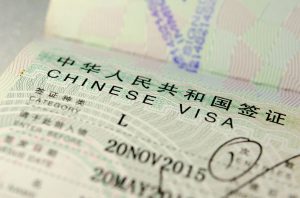
Visa requirements: Chinese travellers holding newer electronic passports with passport numbers beginning with the letter E may receive a separate paper visa through online applications or authorised travel agencies, rather than having a visa sticker placed directly in their passports. The paper visa should be kept with the passport for immigration procedures. Travellers joining organised tours through licensed travel agencies may also be eligible for group visas issued at designated border checkpoints.
-
Payment options: In major Vietnamese tourist destinations such as Da Nang and Nha Trang, many larger shops and service providers accept Alipay, WeChat Pay or UnionPay cards. However, carrying some Vietnamese dong (VND) in cash or a backup Visa or Mastercard is useful for smaller local purchases.
-
Connectivity and travel apps: Purchasing a local SIM card or eSIM at the airport provides convenient access to 4G or 5G mobile networks. Travellers can also prepare the Grab app in advance for booking local transport, with Chinese and English language support and the option to link an international payment card.
Choosing Your Destination and Understanding the Weather
If you have not yet decided where to stay, comparing coastal wellness destinations in Vietnam can help you understand the different landscapes, wellness facilities and experiences available in each region.
China's geographical proximity to Vietnam and the range of available flight connections can help keep international travel times relatively short.
-
Da Nang: A popular choice for its modern infrastructure, direct flight connections from major Chinese cities such as Beijing, Shanghai, Guangzhou and Chengdu, and proximity to cultural destinations including Hoi An and Hue.
-
Nha Trang: Well established among Chinese travellers, with large beachfront resort complexes, mud baths, hot mineral experiences and a lively nightlife scene.
-
Quy Nhon and Tuy Hoa: Better suited to travellers seeking privacy, a slower pace and quieter wellness-focused stays.
Weather is another important consideration when planning your trip.
-
Da Nang and Central Vietnam: The dry season is generally most favourable from March to August. September to December typically brings more rainfall, storms and rougher sea conditions.
-
Nha Trang and South-Central Vietnam: The sunnier season generally extends from January to August, with a relatively shorter rainy season and less frequent direct typhoon impacts than some areas farther north.
Getting There: An Example Journey to Tuy Hoa
Flights from China to Vietnam are relatively short, typically taking around 2–4 hours depending on the departure city and destination.
Stage 1 – Flying from China to Vietnam
-
Cam Ranh International Airport (CXR): Direct commercial flights operate from Chinese cities such as Guangzhou, Chengdu, Chongqing and Shanghai, with indicative flight times of around 2.5–4 hours.
-
Noi Bai International Airport (HAN) or Tan Son Nhat International Airport (SGN): These are alternative arrival points for travellers departing from Chinese cities without convenient direct connections to Central Vietnam.
Stage 2 – Travelling onwards to Tuy Hoa
-
Option 1 – From Cam Ranh Airport (CXR): Take a private transfer or limousine service along National Highway 1A, passing through the Ca Pass Tunnel. The journey covers approximately 155 km and takes around 3–3.5 hours.
-
Option 2 – Connecting to Tuy Hoa Airport (TBB): Take a domestic connecting flight from Hanoi or Ho Chi Minh City to Tuy Hoa. From TBB, central Tuy Hoa and nearby hotels are approximately 6–10 km away, with an indicative driving time of 12–16 minutes.
Tips for a Comfortable Wellness Holiday
-
Choose the right wellness facilities: Travellers interested in traditional wellness practices such as herbal foot soaks, acupressure massage and thermal experiences may prefer hotels with dedicated thermal wellness complexes rather than basic massage services alone.
-
Keep your itinerary balanced: China is only one hour ahead of Vietnam, making the time difference relatively easy to adjust to. This allows more flexibility for rest and light activities soon after arrival.
2. Choosing the Right Type of Wellness Experience
A wellness holiday is more enjoyable when its activities match your personal needs. Before choosing a well-known hotel, consider whether you primarily want mental relaxation, relief from everyday muscle tension or opportunities to maintain your usual fitness routine.
| Wellness Type | Best Suited To | Main Experiences | Suggested Destinations |
|---|---|---|---|
| Rest and Relaxation | Travellers feeling tired or stressed who want to slow down | Unstructured downtime, longer sleep, balanced meals and quiet surroundings | Tuy Hoa, Quy Nhon |
| Thermal Wellness | Travellers who enjoy saunas and hot or cold bathing | Salt stone, nano and snow rooms, Jacuzzi and different thermal experiences | Hotels with dedicated thermal wellness facilities |
| Spa and Massage | Travellers looking to relax after flights or sightseeing | Personalised massage treatments and flexible spa appointments | Spa hotels and resorts |
| Movement and Fitness | Travellers who want to maintain an active routine | Yoga, Tai Chi, swimming, gym sessions, pickleball or tennis for 30–45 minutes | Five-star hotels with sports facilities |
| Nature-Based Wellness | Travellers who appreciate coastal scenery and open-air surroundings | Beach walks, sunrise viewing and relaxed nature excursions, ideally no more than one organised tour per day | Tuy Hoa, Dak Lak |
| City Break Wellness | Travellers combining wellness with shopping and entertainment | Morning spa or gym sessions, afternoon sightseeing and evening dining | Da Nang, Nha Trang |
3. How to Travel from China to Vietnam's Wellness Destinations
Choosing the right flight and ground transport can make a significant difference to the comfort of your wellness holiday. With China and Vietnam located close to one another and an expanding network of international flight connections, travellers can reach Central Vietnam's coastal destinations within a few hours or combine flights with private transfers for a more flexible itinerary.
| Destination | Arrival Airport | Flight Connections from China | Transfer to City Centre | Advantages and Considerations |
|---|---|---|---|---|
| Da Nang | Da Nang International Airport (DAD) | Direct commercial and charter flights from major cities including Beijing, Shanghai, Guangzhou and Chengdu. Approximate flight time: 2.5–3.5 hours | Approximately 3–5 km; 10–15 minutes by car | Convenient overall: Short international flights and a centrally located airport make the journey relatively straightforward |
| Tuy Hoa | Tuy Hoa Airport (TBB) | No direct flights from China. Option 1: Fly to Cam Ranh, then travel approximately 155 km by private car or limousine (3–3.5 hours). Option 2: Fly via Hanoi or Ho Chi Minh City and connect to Tuy Hoa | Approximately 5 km; 8–10 minutes by car | Flexible connections: The overland route from Cam Ranh is a practical option, with a total indicative journey time of around 6.5–7.5 hours |
| Nha Trang | Cam Ranh International Airport (CXR) | Direct flights from Guangzhou, Chengdu, Chongqing, Shanghai and other cities. Approximate flight time: 2.5–4 hours | Approximately 35 km; 40–45 minutes by car | Convenient international access: Established airport connections and tourism infrastructure familiar to Chinese visitors |
| Quy Nhon | Phu Cat Airport (UIH) | No direct flights from China. Travel via Hanoi or Ho Chi Minh City, complete immigration procedures and take a domestic connecting flight to Phu Cat | Approximately 32–35 km; 40–45 minutes by car | Longer transfer journey: Requires a domestic flight connection followed by an additional road transfer |
4. How to Choose a Hotel for a Wellness Holiday
Look for a Variety of Thermal Wellness Facilities
If thermal wellness is your main priority, consider hotels that offer several types of sauna and bathing experiences rather than just one conventional sauna room.
Facilities might include dry and steam saunas, salt stone rooms, infrared saunas, snow rooms, Jacuzzis and hot and cold foot baths. A dedicated thermal wellness complex allows guests to experience different temperatures and relaxation environments within the same visit, creating a more varied experience than a single sauna session.
Check for Spaces to Stay Active
A wellness holiday does not have to mean spending the entire day resting. Gentle activities such as yoga, meditation, swimming, gym sessions, pickleball or tennis can help you maintain a comfortable level of movement during your stay.
You do not need to fill every day with exercise. Choosing a hotel with one or two activities you already enjoy makes it easier to include short sessions whenever they fit your schedule.
Choose a Spa with Flexible Treatment Options
A good spa should fit naturally into your holiday rather than require you to organise the day around treatment appointments.
Look for straightforward booking arrangements, convenient operating hours and a range of treatments, from muscle relaxation massage and acupressure to facials and skincare.
Ideally, guests should be able to make appointments with around one or two hours' notice, subject to availability, and select treatments of different durations.
Consider the Hotel's Dining Options
When much of your holiday is spent within the hotel, convenient and varied dining becomes an important part of the experience.
A good selection of restaurants, flexible meal times and different cuisines allows you to enjoy your stay without regularly travelling outside the property simply to find something to eat.
5. Is Tuy Hoa a Good Destination for a Wellness Holiday?
Tuy Hoa is well suited to Chinese travellers seeking a slower holiday, fewer crowds and more time enjoying hotel facilities rather than shopping, nightlife or a busy sightseeing schedule.
Compared with Da Nang or Nha Trang, Tuy Hoa is a smaller destination with fewer large-scale commercial attractions. Its appeal lies in a more relaxed atmosphere, making it suitable for a holiday that combines wellness facilities, beach visits and occasional sightseeing excursions.
Beyond the hotel, you can spend a morning or afternoon exploring quieter places around Tuy Hoa. For travellers interested in experiences beyond the usual tourist landmarks, hidden gems in Tuy Hoa offer opportunities to discover natural landscapes and local culture without filling every day with activities.
TUI BLUE Tuy Hoa – A Base for Your Wellness Holiday
TUI BLUE Tuy Hoa is a five-star wellness and retreat hotel where relaxation, accommodation, fitness, swimming and dining are brought together as part of the stay, rather than offered as separate additions.
Flexible wellness stays: Guests can begin their morning at Tai Chi Garden, an elevated garden setting for yoga and meditation. The rest of the day can follow a relaxed rhythm, with time for sauna sessions and swimming before heading out to explore Tuy Hoa.
Korean-inspired Jjim Jil Bang at Lumiere Wellness & Healing Club: The central wellness complex features a variety of thermal rooms that guests can enjoy during a single visit.

-
Warm thermal experiences: Himalayan Salt Stone Sauna, Herbal Sauna, Volcanic Rock Sauna, Nano Sauna and Infrared Sauna provide different heated environments for relaxation and comfort.
-
Hot and cold experiences and Oxy-Hinoki Room: The Snow Sauna and hot and cold foot soaks offer contrasting temperature experiences, while the Oxy-Hinoki Room provides another dedicated space for relaxation.
-
Saunas and Jacuzzi: Steam and dry sauna facilities, together with a Jacuzzi, can be included alongside massage treatments for a varied wellness experience.
Four Season Pool: The hotel's indoor four-season pool features an electrolysis-based water treatment system described as operating without conventional chlorine use. Its warm water allows guests to enjoy swimming throughout the year, regardless of outdoor weather conditions.
Distances and Travel Times from TUI BLUE Tuy Hoa
| Attraction | Distance from TUI BLUE Tuy Hoa | Estimated Driving Time | Experience Highlights |
|---|---|---|---|
| Nhan Tower | Approximately 1.5 km | Around 5 minutes | Historic Cham architectural landmark, suitable for cultural sightseeing, photography and panoramic views over Tuy Hoa |
| Tuy Hoa Night Market | Approximately 3.5 km | Around 7 minutes | Street food, fresh seafood and local specialities to bring home |
| Nghinh Phong Tower | Approximately 5.6 km | Around 12 minutes | Distinctive contemporary landmark beside Tuy Hoa's coastline and a popular photography spot |
| Tuy Hoa Airport (TBB) | Approximately 9.2 km | Around 18 minutes | Convenient airport access for travellers arriving by domestic flights |
| Thanh Luong Pagoda | Approximately 13.5 km | Around 20 minutes | Peaceful Buddhist temple known for its coral and coconut-shell construction and distinctive submerged Buddha statue |
6. Frequently Asked Questions About Wellness Travel from China to Vietnam
Do Chinese citizens need a visa to visit Vietnam?
Yes. Travellers holding Chinese passports should check and complete the relevant visa requirements before travelling to Vietnam. If applying for an e-visa, confirm the permitted length of stay, number of entries and eligible border checkpoints before booking flights.
Which destinations in Vietnam are easiest to reach from China for a wellness holiday?
Da Nang and Nha Trang are generally more convenient for travellers who want to minimise transfers, as both destinations have international airports and well-developed resort infrastructure.
For Quy Nhon or Tuy Hoa, the journey may require an additional domestic flight or overland transfer. In return, these destinations are better suited to travellers seeking quieter surroundings and more time relaxing at their hotels.
Is Nha Trang or Tuy Hoa better for travellers who dislike crowded destinations?
Tuy Hoa is generally more suitable if you prefer a quieter itinerary with fewer organised activities and more time for swimming, saunas, spa treatments or simply relaxing at the hotel.
Should Chinese travellers prepare backup payment methods when visiting Vietnam?
Yes. Not every payment method commonly used in China is accepted throughout Vietnam. Before travelling, check whether your international cards will work and carry some Vietnamese dong for smaller purchases.